
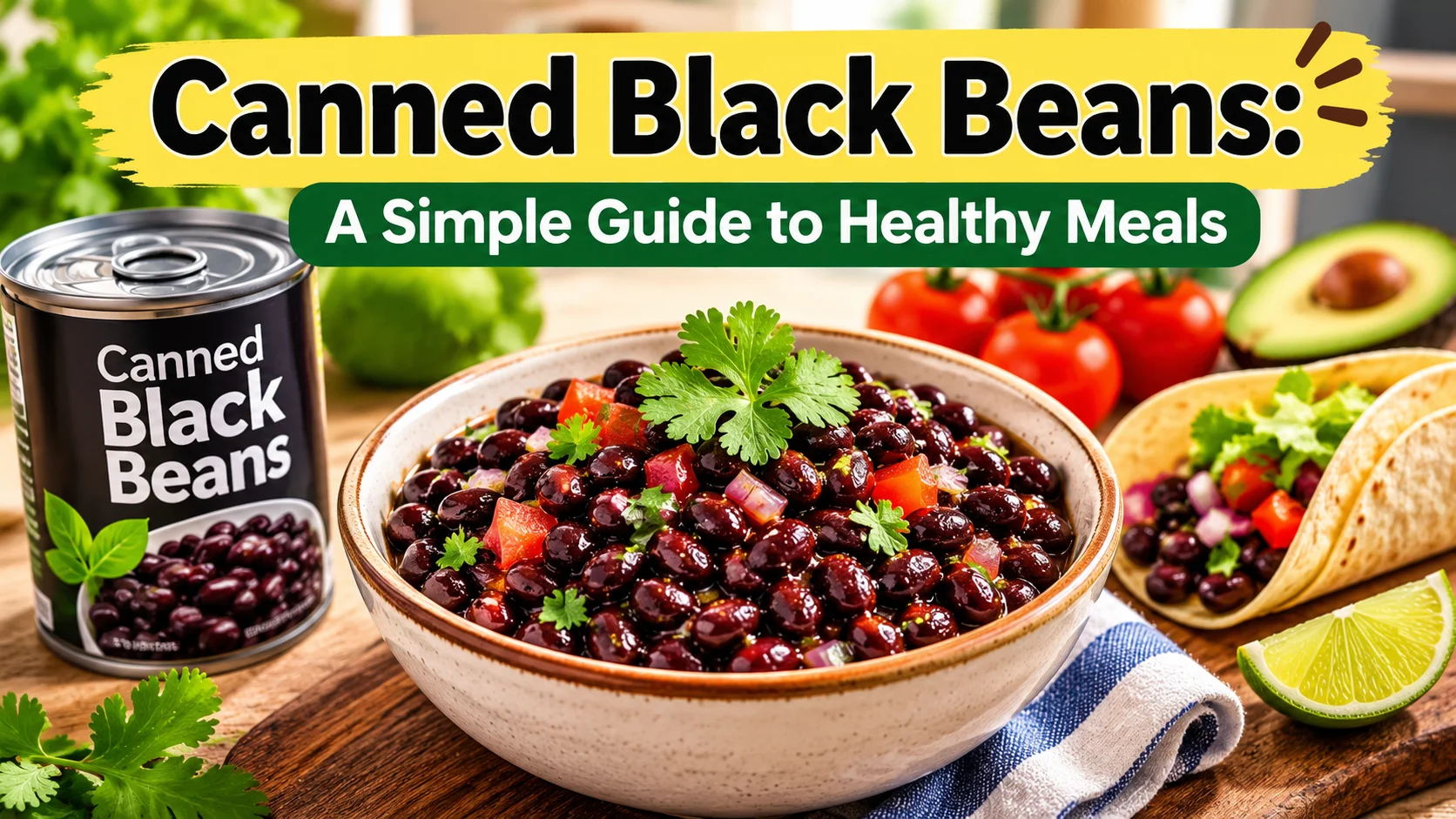
Canned black beans are a convenient pantry staple that can make everyday meals faster, easier, and more satisfying. Whether you buy them ready-to-use or preserve them at home, black beans provide plant-based protein, fiber, and important nutrients that work well in everything from tacos and soups to salads and rice bowls.
For anyone interested in home food preservation, however, safety is especially important. Black beans are a low-acid food and must be pressure canned using a tested canning process. A standard boiling-water bath is not suitable for preserving plain black beans safely.
Why Keep Black Beans in Your Pantry?
Black beans are one of the most versatile legumes available. Their mild, earthy flavor pairs easily with vegetables, grains, spices, and sauces.
A Convenient Source of Nutrition
Black beans naturally provide:
- Plant-based protein
- Dietary fiber
- Folate
- Iron
- Magnesium
- Potassium
- Complex carbohydrates
Their combination of protein and fiber can help make meals more filling while adding substantial nutritional value.
Budget-Friendly and Versatile
Dried black beans are inexpensive, while canned beans offer unmatched convenience. Having them available means you can quickly prepare a nutritious meal without spending hours cooking legumes from scratch.
Are Home-Canned Black Beans Safe?
Yes, black beans can be safely home-canned when you follow a tested pressure-canning procedure.
Because black beans are low in acidity, they can support the growth of Clostridium botulinum under improper storage conditions. A boiling-water bath does not reach a sufficient temperature to safely process low-acid foods.
Why Pressure Canning Is Necessary
A pressure canner reaches temperatures significantly higher than boiling water, allowing properly tested processing methods to control the risks associated with low-acid foods.
Do not substitute an ordinary pressure cooker or electric multi-cooker unless the manufacturer specifically states that it is suitable for pressure canning and the process being used is appropriately tested.
For the safest results, use current guidance from a trusted food-preservation authority and follow the tested recipe precisely.
Preparing Black Beans for Home Canning
If you plan to preserve dried black beans, preparation starts before the jars enter the canner.
Step 1: Sort and Wash the Beans
Spread the dried beans out and remove stones, damaged beans, and debris. Rinse them thoroughly under clean running water.
Step 2: Soak the Beans
Beans need to be properly hydrated before following a tested canning procedure. An overnight soak or quick-soak method can be used depending on the tested recipe you are following.
Step 3: Cook Before Packing
For a tested hot-pack method, soaked beans are generally boiled before being placed into jars. This helps ensure the beans are adequately hydrated and provides more predictable results during processing.
Filling and Processing the Jars
Once the beans have been prepared, transfer them into clean, warm canning jars according to the tested recipe.
Leave the Correct Headspace
Proper headspace is essential because beans expand during processing. Follow the headspace specified by your tested recipe rather than estimating.
Remove trapped air bubbles, clean the jar rims, and apply the lids according to the manufacturer’s instructions.
Use the Correct Pressure and Processing Time
Pressure-canning requirements depend on factors such as:
- Jar size
- Canner type
- Elevation
- Gauge type
- The specific tested recipe
Processing times and pressure settings should therefore come from a reliable, current canning guide. Do not change processing times, pressure levels, or ingredient proportions on your own.
Delicious Ways to Use Canned Black Beans
Once opened, canned black beans can become the foundation of countless quick meals.
Black Bean Tacos
Combine warmed beans with cumin, chili powder, tomatoes, lettuce, avocado, and your favorite taco toppings.
Black Bean Rice Bowls
Layer seasoned black beans over rice and add corn, salsa, fresh vegetables, avocado, and a squeeze of lime.
Hearty Black Bean Soup
Black beans pair beautifully with tomatoes, onions, peppers, vegetable broth, and warming spices. Add rice or other vegetables for a more substantial meal.
Fresh Black Bean Salad
Mix black beans with corn, tomatoes, cucumber, red onion, cilantro, and lime juice for a simple, colorful side dish.
Tips for Better Texture and Flavor
Several simple techniques can make your black beans more enjoyable.
- Choose relatively fresh dried beans for more consistent texture.
- Avoid overcooking beans before canning.
- Season cooked beans after opening if you’re unsure whether an ingredient is appropriate for your tested canning recipe.
- Add acidic ingredients such as lime juice or tomatoes when preparing the finished dish rather than improvising with an untested canning recipe.
- Store commercial canned beans in a cool, dry pantry and follow the manufacturer’s best-by guidance.
How to Store Home-Canned Black Beans
After processing, allow jars to cool undisturbed according to the tested procedure. Check the seals before storage and label each jar with its contents and date.
Store sealed jars in a cool, dark, dry location. Remove the screw bands after the jars have properly sealed, unless your preservation guidance says otherwise.
Never consume a home-canned product if the jar is leaking, bulging, badly damaged, spurts liquid when opened, or has another sign of spoilage. When in doubt, throw it out—never taste questionable canned food to determine whether it is safe.
Frequently Asked Questions
1. Can black beans be canned at home?
Yes. Black beans can be home-canned safely when a tested pressure-canning method is followed precisely. Because they are low-acid, they should not be processed in a boiling-water bath.
2. Are canned black beans healthy?
Yes. Plain black beans are a nutritious source of plant-based protein, fiber, minerals, and complex carbohydrates. Watch the sodium content of commercially canned varieties and choose low-sodium options when appropriate.
3. Can I add spices when home-canning black beans?
Only use seasonings and ingredient quantities included in a tested canning recipe. Avoid improvising with ingredients that could alter heat penetration or processing safety.
4. Can I use an Instant Pot to can black beans?
Do not use a standard electric pressure cooker as a substitute for a pressure canner. Safe home canning requires equipment and procedures appropriate for pressure canning low-acid foods.
5. How can I use canned black beans in everyday meals?
They are excellent in tacos, burritos, soups, salads, chili, rice bowls, quesadillas, and vegetable-based dishes. Simply drain and rinse commercially canned beans if you want to reduce their sodium content.
Final Thoughts
Canned black beans are an affordable, nutritious, and incredibly versatile pantry staple. They make it easy to add plant-based protein and fiber to quick meals while reducing cooking time.
Leave a Reply